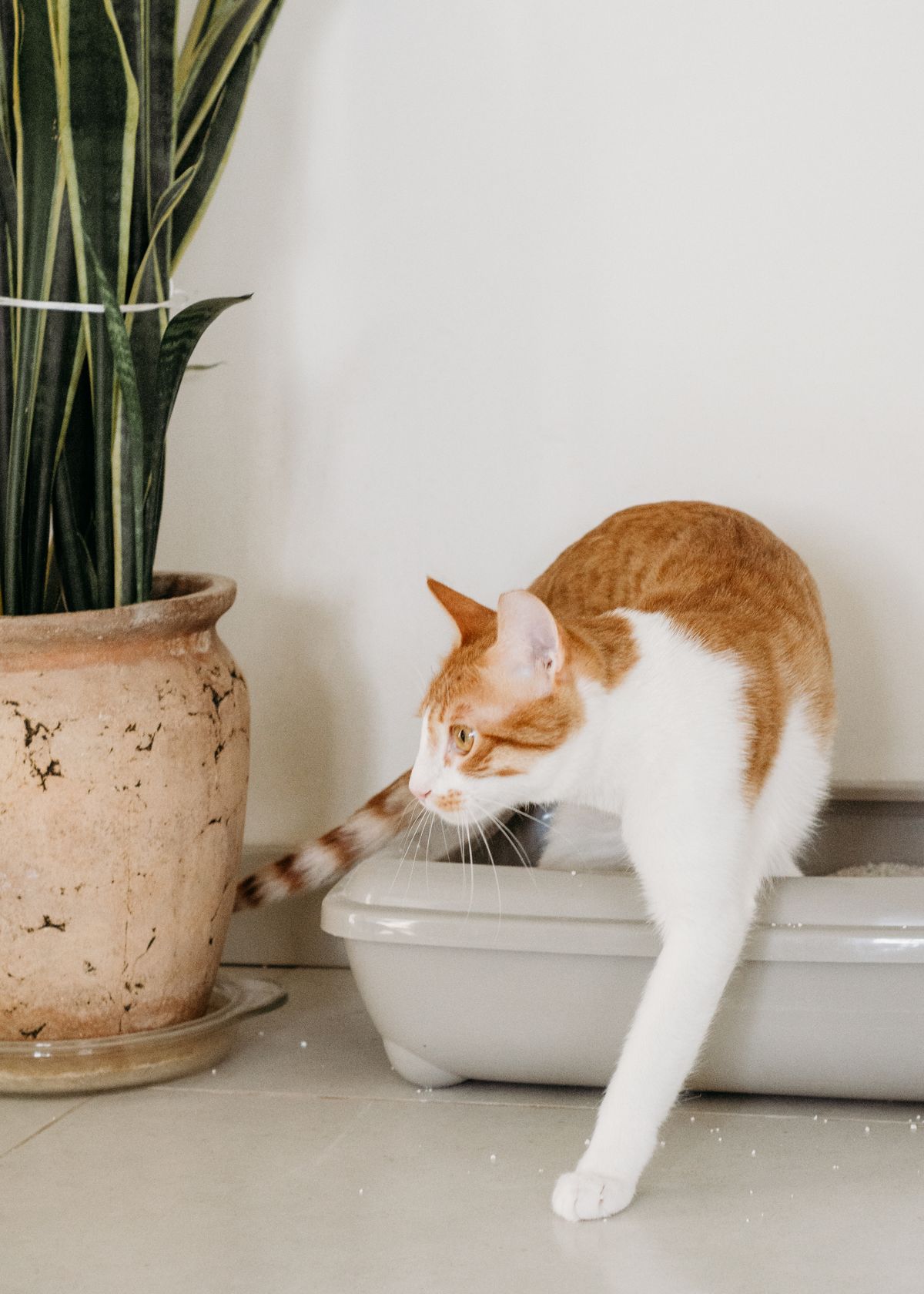
Will My Cat Use an Automatic Litter Box? The 14-Day Transition Plan
- Run the unit with cycling switched off for the first week — it is then just a large quiet box.
- Keep the old box until the cat has used the new one for seven consecutive days.
- Change one thing at a time: never a new box and a new litter in the same week.
- A cat that used the box and then suddenly stopped is a veterinary question, not a setup question.
Most failed automatic litter boxes are not faulty. They were introduced in a way that taught the cat the machine is unpredictable — and cats only need one lesson. This is the version of the introduction that does not teach that.
Before day one
Set the unit up where it is going to live permanently. Moving it mid-transition restarts the clock, because to a cat location and object are one thing, not two.
Fill it to the manufacturer's litter line with the litter your cat already uses, if the mechanism accepts it. Under-filling is the most common preventable cause of refusal: a shallow layer means the cat cannot dig or cover, and covering is instinctive rather than optional.
Then switch the cycling off. For the first week this is not an automatic box; it is a large, quiet, slightly odd-looking box.
Days 1 to 3: it is just furniture
Old box stays exactly where it is. New unit sits beside it, powered off or with cycling disabled. Do not lift the cat into it, do not put treats inside it — food near a litter box works against you. Let the cat investigate on its own terms.
What you are watching for: the cat approaching, sniffing, stepping in and out. Any of those counts as progress. Ignoring it entirely for three days is also normal.
Days 4 to 7: first use, still no cycling
If the cat has not used it by day four, move a small amount of used litter from the old box into the new one. Scent is the strongest signal you have, and this is the one shortcut that reliably works.
Once the cat uses the new box, clean it manually and leave cycling off. The rule for this week: the box never moves while the cat is anywhere near it. One startle here costs you the whole fortnight.
Days 8 to 10: cycling on, at maximum delay
Turn cycling on with the delay timer set as long as it goes — typically 15 to 30 minutes. The point is that the cycle happens when the cat is out of the room and preferably out of earshot.
Run the first cycle manually while the cat is in a different room, so the noise arrives without the cat connecting it to the box it just used.
Days 11 to 14: shorten the delay, then move the old box
Step the delay down gradually — to roughly 10 minutes, then to your intended setting. If the cat hesitates at any step, go back one step for two days rather than pushing on.
Once the cat has used the new box for seven consecutive days, move the old box a few feet away. A few days later, move it again. Only then remove it — and in a multi-cat home, do not remove it at all.
The signals that mean stop
- Urinating just outside the unit. Usually entry height or enclosure. Measure the step-in height of the old box and compare; the difference is often the whole story.
- Using it, then stopping abruptly. Check the waste drawer first — a full drawer smells at the entrance. If the drawer is fine and the change was sudden, ask your vet about a urinary check before changing anything else.
- Straining, or going far more or less often. Veterinary first, equipment second. Always.
What makes a transition harder than it needs to be
Three setups fight you from the start: a box that is too small for the cat to turn around in, an entry step much higher than the cat is used to, and a unit with no adjustable delay. The first two are sizing problems covered in the measurement guide; the third is worth checking before you buy rather than after.
Related guides
- Why cats refuse self-cleaning boxes
- Fitting one into a small flat
- Automatic litter boxes for multiple cats
- How many boxes for three cats
Frequently asked questions
How long does a transition usually take?
Two weeks is the plan; two to four weeks is the realistic range. Cats that walk in on day one exist and are not the norm. The failure mode is not slowness, it is removing the old box early.
Should I use the same litter in the new box?
Yes, if the mechanism allows it. Changing the box and the litter in the same week gives you two variables and no way to tell which one your cat objected to. Switch litter later, gradually, if the unit needs a different type.
What if my cat goes next to the box instead of in it?
Clean the spot with an enzyme cleaner rather than anything ammonia-based, put the old box back where the accident happened, and restart at day one with cycling off. A spot used twice becomes a habit with its own scent.
Can I speed this up by taking the old box away?
You can, and it is the single most common cause of accidents on the floor. The old box costs you nothing; the habit it prevents costs weeks.
Does this work for more than one cat?
The plan is the same, but expect one cat to adopt it first and the others to follow over days. Do not remove manual boxes in a multi-cat home at all — an automatic unit counts as one box in the n+1 count.
We may earn a commission when you buy through links on this page, at no extra cost to you. Specifications change between product revisions — always confirm the current numbers on the product page. See our disclosure.
Related guides