Measuring Your Dog for a Crate, Dog Door or Ramp: The Numbers to Take
- Five measurements cover every product: standing height, length, shoulder width, withers height and weight.
- Crate height is measured to the top of the head or ears when sitting, not to the shoulder.
- A dog door's step-over height matters more than its opening size for an older dog.
- Measure a growing dog against its breed's adult range, not its current size.
Most returns in this category are sizing errors, and almost all of them come from measuring the wrong part of the dog. Five numbers, taken once and written down, cover a crate, a dog door, a ramp and a bed.
The five measurements
| Measurement | How to take it | What it decides |
|---|---|---|
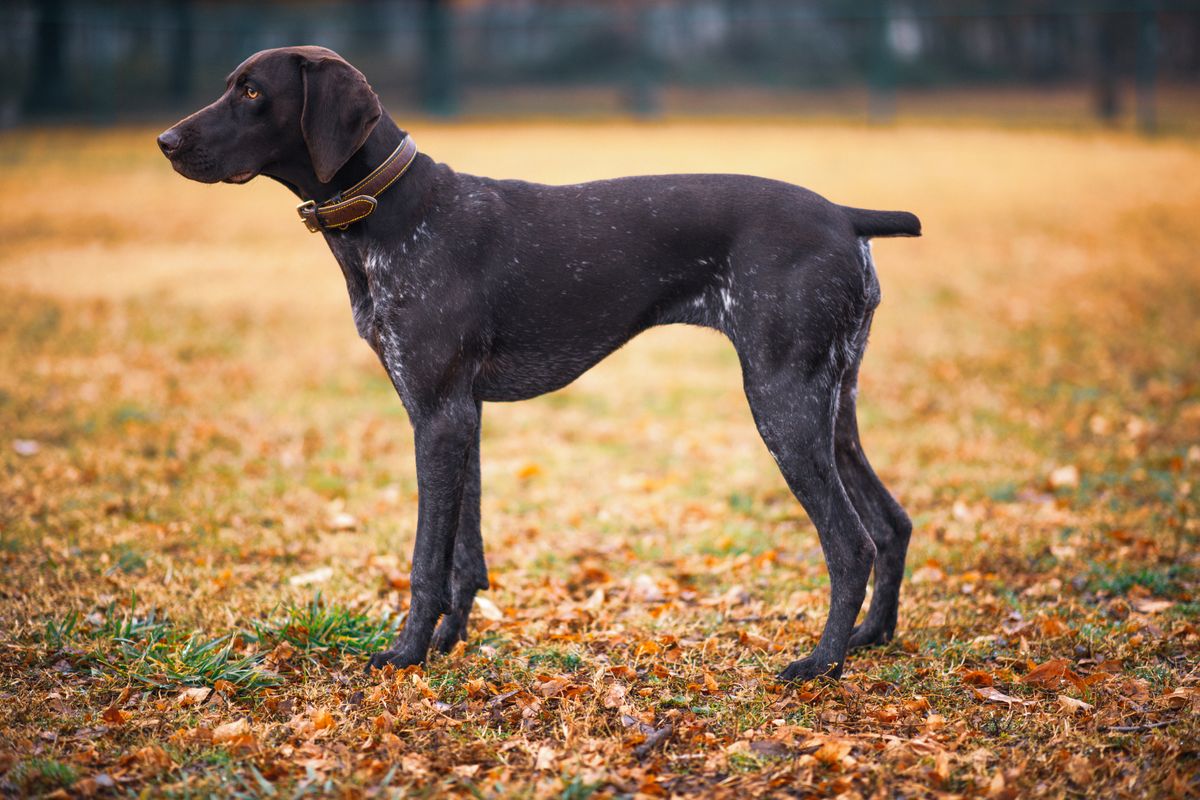
| Standing height | Floor to the top of the head, dog standing naturally | Crate height, door opening height |
| Withers height | Floor to the ridge between the shoulder blades | Dog door flap height and placement |
| Body length | Base of the neck to the base of the tail — not including the tail | Crate length, bed length |
| Shoulder width | Widest point across the shoulders or hips, whichever is wider | Door and ramp width |
| Weight | Bathroom scale, carrying the dog, minus your own weight | Ramp and crate load ratings |
Take them with the dog standing square on a hard floor, not on carpet and not sitting. Write them down somewhere you will find them again — you will need them every time you buy anything for this dog.
Crates: the measurement everyone gets wrong
Crate height is not shoulder height. A dog must be able to sit upright without its head or ears touching the roof, so the figure you need is floor to the top of the head while sitting, which is usually taller than standing height at the shoulder. Add two inches.
Length is body length plus roughly four inches so the dog can lie out straight. For a crate that will be used in a car, resist the urge to add more than that: crash-test certification applies to the crate at its tested size with the dog filling it, and a dog with room to travel inside the crate during an impact is a dog taking a second hit.
Dog doors: step-over height beats opening size
The opening needs to clear the dog's shoulder width with a couple of inches to spare, and the flap top should sit at least at withers height. But the number that decides whether an older dog keeps using the door is the step-over height — the distance from the floor to the bottom of the flap.
A flap mounted high in a door gives a tall opening and a high step. A young dog does not notice. An arthritic one stops going outside. Measure the dog's comfortable step — watch it approach a low step and note what it clears without hesitating — and keep the sill below that. Our microchip and collar sensor comparison covers the locking side of the choice.
Ramps: measure the vehicle, not just the dog
Here the dog gives you two numbers — weight for the load rating, shoulder width for the ramp width — and the vehicle gives you the one that matters most. Measure from the ground to the surface the dog steps onto, then use the angle table to see what length you actually need.
Measure where you park. A sloped drive adds inches on one side and takes them off the other, and the difference is enough to move a ramp from comfortable to steep.
Beds: length plus stretch
Dogs that sleep curled need body length; dogs that sleep on their side with legs extended need roughly body length plus a third. Buy for the stretched position, because that is the sleep a bed is supposed to make possible. Bolsters are measured separately — the usable interior is what counts, not the outside dimensions on the box, and the gap between the two is frequently four inches per side.
Growing dogs
Buy a crate with a divider and move it as the dog grows. For a door and a ramp, buy for the adult size now: both outlast several crates, and a door cut into a wall is not something you want to redo at eighteen months.
Related guides
- Dog ramps and the slope angle
- Crash-tested crates
- Electronic dog doors for cold climates
- Orthopedic beds for large breeds
Frequently asked questions
Should I size a crate up for comfort?
Not for car travel. A crash-tested crate is tested at a specific size, and extra room lets the dog move during an impact. For a crate used at home, a little extra space is fine.
My dog is still growing. What do I buy?
Use the adult range for the breed and buy for the top of it, then use a divider in the crate while the dog grows. For a dog door and a ramp, buy for the adult size from the start — both last a decade.
Where exactly is the withers?
The ridge between the shoulder blades, at the base of the neck. It is the standard reference point for breed height, and it is the one to use for a dog door flap — not the top of the head.
What if my dog is between two sizes?
Go up for crates and doors, and go longer for ramps. The failure mode of too small is a dog that will not use the product at all; the failure mode of slightly too big is mild inconvenience.
We may earn a commission when you buy through links on this page, at no extra cost to you. Specifications change between product revisions — always confirm the current numbers on the product page. See our disclosure.
Related guides